
Do you find yourself feeling tired or sluggish in the mornings? As we age, our bodies change — but with a few simple routines, you can set the tone for a day filled with energy, focus, and vitality. These morning habits for seniors are safe, effective, and easy to add to your daily routine.

1. Drink a Glass of Water First Thing
After a night’s sleep, your body is naturally dehydrated. Staying hydrated in the morning improves circulation, boosts energy, and supports digestion. The National Institute on Aging recommends seniors pay extra attention to fluid intake because dehydration can affect energy and alertness.
2. Open the Curtains for Natural Light
Exposure to natural light first thing in the morning signals your body to wake up. It regulates your circadian rhythm, helping improve sleep and mood. The Sleep Foundation notes that light is one of the most powerful ways to reset your internal clock.
3. Gentle Morning Stretches
Simple stretches loosen stiff muscles and improve mobility, making daily tasks easier. According to Harvard Health, flexibility exercises also reduce the risk of falls and injuries for older adults.
4. Practice Deep Breathing
Spending a few minutes on mindful breathing increases oxygen flow, lowers stress, and helps you start the day calm and focused. The Mayo Clinic explains that deep breathing can reduce stress and improve mental clarity.
5. Eat a Protein-Rich Breakfast
A breakfast with eggs, yogurt, or oatmeal gives long-lasting energy. The National Institute on Aging highlights that protein is especially important for seniors to maintain strength, muscle mass, and vitality.
Starting your day with protein, healthy fats, and micronutrient-rich foods gives your body steady fuel instead of the energy rollercoaster caused by sugary cereals or pastries. Seniors especially benefit from stable blood sugar in the morning — it supports focus, prevents mid-morning crashes, and helps maintain long-term health.
One of the clearest explanations of this approach is found in Dr. Eric Berg’s Easy Keto and Intermittent Fasting Booklet. Dr. Berg outlines how small shifts in eating — like reducing refined carbs and timing your meals — can make a big difference in daily energy levels. His guide ties in perfectly with the principles we’re covering here.
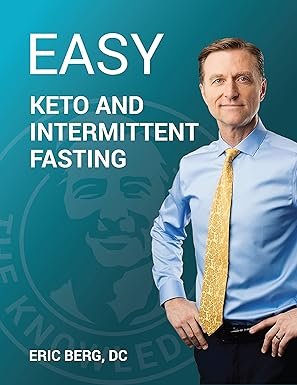
Healthy Keto™ and intermittent fasting are the best ways to promote a healthy body and shed extra weight. The Easy Keto and Intermittent Fasting Booklet will give you the tools you need to do just that.
Read More
6. Limit Morning Sugar
Sugary foods cause an energy spike followed by a crash, leaving you tired mid-morning. The CDC advises limiting added sugars and choosing whole grains and fruits for sustained energy.
7. Take a Short Walk
Just 10–15 minutes of walking boosts circulation, strengthens muscles, and improves balance. The National Council on Aging reports that regular walking lowers the risk of chronic conditions and supports overall health in seniors.
8. Positive Thinking
Starting the day with positive thoughts improves mood and motivation. The Cleveland Clinic explains that positive thinking is linked to lower stress and better heart health. Henry Ford said, “Whether you think you can, or you think you can’t—you’re right”
9. Plan Your Day with 3 Priorities
Instead of long lists, focus on three manageable goals. This keeps your day productive without draining your energy. The Harvard Business Review recommends limiting daily tasks to reduce stress and increase efficiency. It is best to make a list of what you need to do the night before and then pick the 3 most important items and in the morning try to get these done despite the distractions of normal life.
10. Stay Consistent
The real key is routine. Sticking to consistent morning habits trains your body and mind for lasting energy. The National Institute on Aging emphasizes that healthy routines at any age improve well-being and quality of life.
References
- National Institute on Aging — Getting Enough Fluids
- Sleep Foundation — Circadian Rhythms and Sleep
- Harvard Health — Stretching: Focus on Flexibility
- Mayo Clinic — Stress Relief: Deep Breathing
- National Institute on Aging — Protein and Older Adults
- CDC — Added Sugars
- National Council on Aging — Benefits of Walking for Older Adults
- Cleveland Clinic — The Power of Positive Thinking
- Harvard Business Review — Stop Overloading Your To-Do List
- National Institute on Aging — Healthy Habits at Any Age