
What Is Insulin Resistance and Why It Matters After 50
Insulin resistance in seniors is one of the most important health issues to understand after 50. It happens when the body’s cells don’t respond properly to insulin, leaving sugar in the bloodstream instead of turning it into energy. This can affect weight, energy levels, and long-term health. The good news? Recognizing the signs early and making small changes can help reverse insulin resistance naturally. Be sure to check out the 2 short videos at the bottom of this page.

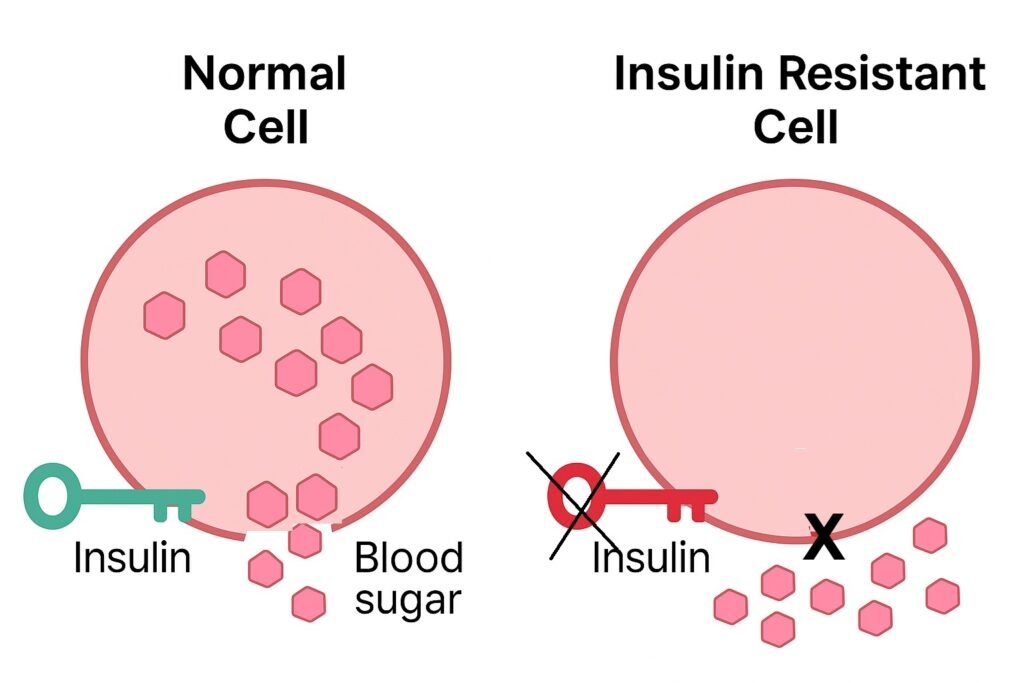
Insulin resistance happens when your cells stop responding properly to insulin’s key. It’s like the lock on the door has gotten rusty — the key still fits, but the door won’t open.
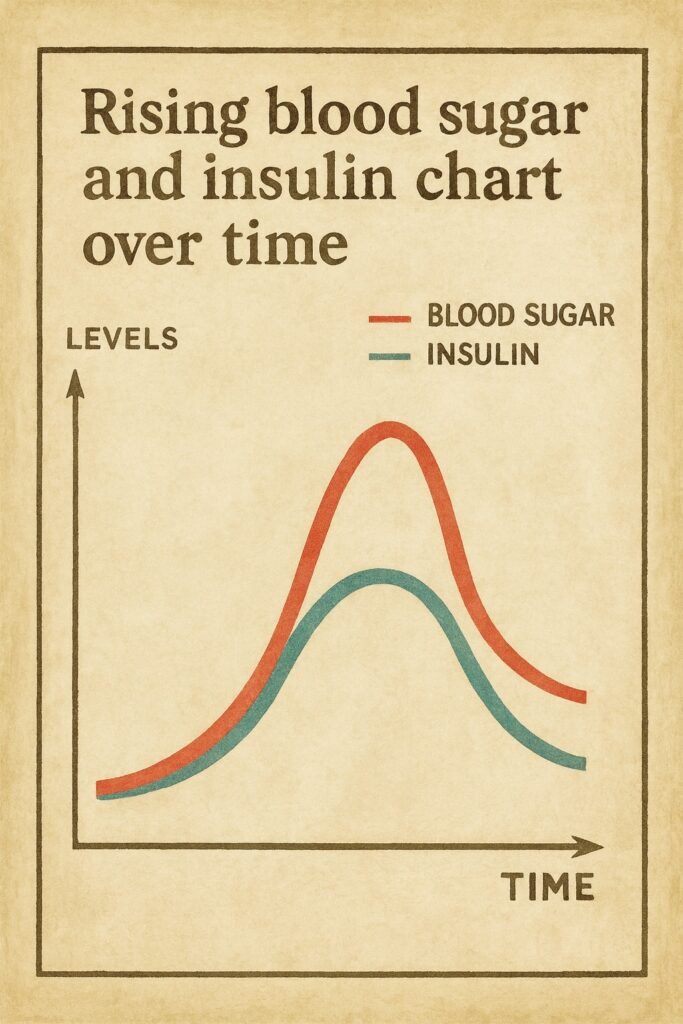
Instead of moving into your cells, sugar builds up in your blood. Over time, this leads to higher blood sugar, higher insulin levels, weight gain, fatigue, and eventually type 2 diabetes. Research shows nearly 1 in 4 adults worldwide live with insulin resistance. For seniors, it’s one of the most common root causes of stubborn weight gain, fatigue, and diabetes risk. [Frontiers in Endocrinology]
An Everyday Example
Imagine you keep knocking on your friend’s door (insulin knocking on the cell). At first, they let you in.
But if you knock too often and too loudly, your friend gets tired of answering and starts ignoring you.
That’s what happens with insulin resistance. (Too much sugar has been annoying the cells so they ignore the insulins attempt to push more sugar into the cell.)
Top Signs of Insulin Resistance After 50
Insulin resistance often develops silently, but here are the most common warning signs:
- Extra weight around the belly (“spare tire”)
- Cravings for carbs and sweets
- Energy crashes after meals
- Feeling hungry even after eating
- High blood pressure, cholesterol, or triglycerides
- Skin changes: skin tags or darker patches of skin on the neck or armpits
- Family history of diabetes
📖 Cleveland Clinic — Insulin Resistance Symptoms
What Causes Insulin Resistance in Seniors?
You can’t change your genes, but lifestyle plays a huge role. Common causes include:
- Excess belly fat — especially around the waistline
- Too many refined carbs and sugars — soda, sweets, processed foods
- Lack of activity — sitting too much reduces insulin sensitivity
- Poor sleep or chronic stress — both raise hormones that block insulin
- Excess alcohol — heavy drinking stresses the liver and raises blood sugar
- Certain medications — like steroids or psychiatric drugs (talk with your doctor)
📖 CDC — Causes of Insulin Resistance
How to Reverse Insulin Resistance Naturally
The good news: your body can become more sensitive to insulin again. Here’s what works best after 50:
- Eat whole foods — build meals around protein and vegetables; cut back on sugars and refined carbs.
- Walk daily — even 10–15 minutes after meals lowers blood sugar.
- Do strength training twice a week — light weights or resistance bands preserve muscle and improve insulin use.
- Sleep 7–8 hours a night — lack of sleep raises insulin resistance.
- Manage stress — breathing, prayer, stretching, or meditation lower cortisol.
- Take meal breaks — avoid grazing all day; give insulin time to fall between meals.
- Limit alcohol — your liver will thank you, and so will your blood sugar.

📖 Harvard Health — Diet & Insulin Resistance
📖 National Library of Medicine — Sleep and Insulin Sensitivity
Quick Self-Check: Signs of Insulin Resistance?
This is not a diagnosis — just a simple self-check. If several of these sound like you, it may be worth asking your doctor for testing.
Check all that apply:
☐ I carry extra weight around my belly.
☐ I crave carbs or sweets often.
☐ I get tired or crash a couple of hours after eating.
☐ I feel hungry even after a full meal.
☐ I’ve been told I have high blood pressure, cholesterol, or triglycerides.
☐ I have skin tags or darkened skin around the neck or armpits.
☐ Type 2 diabetes runs in my family.
👉 If you checked 3 or more boxes, you may want to talk with your doctor about insulin resistance and steps to lower your risk.
To learn more click here are some references:
References & Trusted Sources
For more on insulin resistance, check these trusted health resources: